

Acrylic painting is a painting method that uses acrylic paint, a fast drying, water based medium that can look transparent like watercolour or dense like oil. Artists use acrylics for bold colour, clean edges, smooth gradients, textured brushwork, and everything in between.
This article explains what acrylic painting is, what acrylic paint is made of, types of acrylic painting, its history, key characteristics
What is Acrylic Painting?
Acrylic painting refers to artworks created with acrylic paint. Acrylics can be applied thick for texture, thinned for smooth layers, or diluted for light washes. Since acrylic paint dries quickly, it supports quick layering and crisp results, which is one reason it became widely used in modern art.
While acrylic painting can include people, objects, or landscapes, the term mostly describes the medium and method, not a specific subject matter.
Types of Acrylic Painting
Acrylic painting includes many approaches. Here are common types you will see in studios and galleries.
1. Realistic acrylic painting
Focuses on accurate detail, controlled blending, and careful values.
2. Abstract acrylic painting
Uses shapes, line, texture, and colour as the main subject.
3. Hard edge acrylic painting
Clean, sharp boundaries between colour areas, often with flat application.
4. Impression style acrylic painting
Visible brushwork, colour mixing on the surface, and emphasis on light.
5. Acrylic pouring
Uses fluid paint and pouring medium for flowing patterns and cells.
6. Textured acrylic painting
Heavy body paint and gels create raised surfaces and strong brush marks.
What is the Meaning of Acrylic Painting?
Acrylic painting often represents a modern relationship with materials. It is linked with speed, flexibility, strong colour, and experimentation. For many artists, acrylic is a practical choice because it works well for layering, bold graphic shapes, and studio workflows where time matters.
The meaning can also come from the style. A flat colour field acrylic painting may feel calm and structured, while a thick textured acrylic painting may feel energetic and physical.
History and Evolution of Acrylic Painting
Acrylic paint is a modern medium that became widely used in the mid 20th century. Artists adopted it quickly because it dries fast, layers easily, and cleans up with water while wet. It also suited bold colour, clean edges, and larger scale work, which matched many modern and contemporary styles. Today, acrylic is used across fine art, illustration, murals, and mixed media.
Today, acrylic painting ranges from fine art and illustration to murals and mixed media work.
Characteristics of Acrylic Painting
Although acrylic painting includes many styles, several characteristics show up often.
1. Fast drying layers
Acrylic paint can become touch dry quickly, which supports fast progress and easy layering. This is especially useful for underpainting and building clean shapes.
2. A wide range of finishes
Acrylic can look:
-
transparent like a wash
-
opaque and flat
-
glossy with medium or varnish
-
matte with matte mediums or acrylic gouache
3. Strong colour and clean edges
Acrylic is a favourite for crisp lines and solid blocks of colour because layers set quickly and do not stay wet for long.
4. Works on many surfaces
Acrylic can be used on canvas, panels, paper, and primed boards, as long as the surface is stable and suitable for paint films.
5. Texture control with gels and mediums
Acrylic mediums can change thickness, transparency, gloss, and texture without weakening the paint film.
How to Understand and Interpret Acrylic Paintings
To read an acrylic painting well, focus on a few things:
-
Edges: Are they sharp and graphic or soft and blended?
-
Layering: Are there thin transparent passes or thick stacked paint?
-
Surface: Is the paint flat, satin, glossy, or heavily textured?
-
Colour choices: Are colours natural, exaggerated, or reduced to a few tones?
-
Intent: Does the painting lean toward realism, design, mood, or material experimentation?
Instead of looking for one fixed story, pay attention to how the painting uses colour, space, and surface to create impact.
Importance of Acrylic Painting in the Modern Age
Acrylic painting remains a major medium because it matches how many artists work today.
-
It supports quick studies, large canvases, murals, and series work
-
It adapts to realism, abstraction, pop art, minimalism, and mixed media
-
It can be handled safely with basic studio habits and simple cleanup compared with many solvent heavy processes
Acrylic Painting Techniques
Here are core techniques that help beginners and also show up in professional practice.
1. Blocking in
Start with big shapes and simple values before details.
2. Layering
Build from thin to thicker paint, letting layers dry between passes.
3. Glazing
Use transparent layers to shift colour and deepen shadows.
4. Dry brush
Use minimal water and paint to create broken, textured marks.
3. Scumbling
Lightly drag opaque paint over a dry darker layer for a soft haze.
4. Impasto with gels
Use heavy body paint and gel medium for a stable raised texture.
5. Wet blending with longer open time
Use a stay wet palette or slower drying acrylic options if you need more blending time.
List of Famous Artists Who Used Acrylic Paint
Many major modern and contemporary artists have worked with acrylic at various points, including:
1. David Hockney (tate.org.uk)
2. Andy Warhol (Wikipedia)
3. Roy Lichtenstein (Wikipedia)
4. Ellsworth Kelly (The Museum of Modern Art)
Most Famous Acrylic Paintings to Know
Here are well known works where acrylic is part of the medium.
1. A Bigger Splash by David Hockney

Acrylic on canvas, known for its flat colour, clean architecture, and the frozen splash moment.
2. Mr and Mrs Clark and Percy by David Hockney

Acrylic on canvas double portrait with strong light structure and controlled surfaces.
3. Marilyn Diptych by Andy Warhol

Silkscreen ink and acrylic paint on canvas, a defining pop art image system built through repetition.
4. Whaam! by Roy Lichtenstein
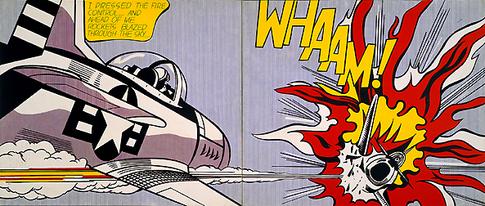
Made using Magna acrylic with oil on canvas, a landmark pop art diptych based on comic imagery.
5. Yellow Piece by Ellsworth Kelly
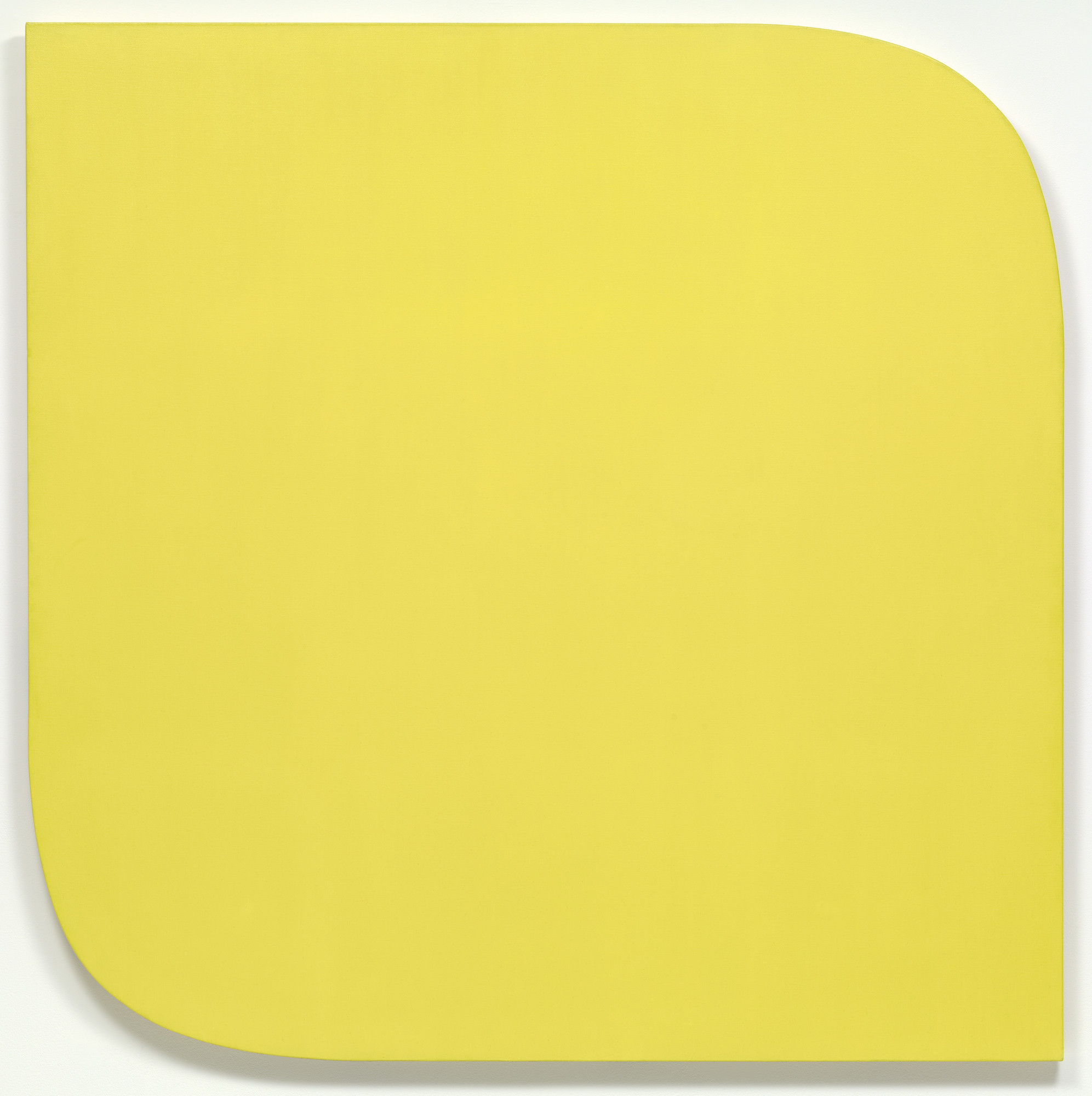
Acrylic on canvas, known for its shaped support and single colour presence.
The Significance of Acrylic Painting
Acrylic painting has become one of the defining painting methods of modern and contemporary art. It combines speed, durability, and a wide visual range, making it practical for beginners and powerful for advanced studio work. From crisp pop imagery to pure colour fields and heavily textured abstraction, acrylic continues to shape how painting looks today.


