

Watercolour painting is a genre of visual art that uses pigments mixed with water to create images marked by transparency, softness, and fluid movement. Instead of heavy layers of paint, watercolor relies on light, paper surface, and controlled washes to build form and atmosphere.
This article explains what defines watercolour painting, its origins, key characteristics, historical development, major styles, notable examples, and its importance in the contemporary art world.
What is Watercolour Painting?
Watercolour painting refers to artworks created using water based pigments, typically bound with gum arabic and applied with brushes onto paper. The defining feature of watercolor is its transparency, where light passes through layers of paint and reflects off the paper beneath.
Unlike oil or acrylic painting, watercolour does not fully conceal the surface. The paper plays an active role in the composition, contributing to brightness, texture, and overall balance. Artists may work from direct observation, memory, or imagination, depending on style and intent.
Watercolour has been used for centuries in manuscripts, scientific illustration, landscape studies, and fine art due to its portability and expressive range.
Types of Watercolour Painting
1. Realistic Watercolour
Focuses on accurate observation, detail, and natural color relationships.
2. Loose or Expressive Watercolour
Uses broad washes, visible brushwork, and spontaneous effects.
3. Botanical Watercolour
Precise depictions of plants emphasizing structure and clarity.
4. Landscape Watercolour
Depicts natural scenes using light, atmosphere, and depth.
5. Abstract Watercolour
Uses color, form, and movement inspired by nature without literal representation.
6. Urban and Architectural Watercolour
Represents buildings, streets, and city environments with emphasis on structure and perspective.
What Is the Meaning of Watercolour Painting?
Watercolour painting often reflects sensitivity, restraint, and responsiveness to change. Because the medium reacts immediately to water, it records the artist’s decisions in real time.
Historically, watercolor has been associated with observation, travel, and study. In later periods, it became a medium for personal expression, mood, and emotional subtlety.
The meaning of a watercolor artwork may arise from its subject, its handling of light and space, or the balance between control and unpredictability. For viewers, watercolor often communicates calm, intimacy, or quiet intensity.
History and Evolution of Watercolour Painting
Watercolour painting has roots in ancient manuscript illumination and early Asian art traditions. In Europe, it developed through medieval illustration and scientific drawing.
During the Renaissance, artists used watercolor for preparatory sketches and studies. By the eighteenth century, particularly in Britain, watercolor emerged as a respected independent art form. Artists used it extensively for landscape and travel scenes.
The nineteenth century saw watercolor expand through Romanticism and Impressionism, where light and atmosphere became central concerns. In the twentieth century and beyond, artists adopted watercolor for abstraction, mixed media, and contemporary expression, ensuring its continued relevance.
Characteristics of Watercolour Painting
Although styles vary widely, several defining characteristics are commonly present.
1. Transparency as a Core Feature
Watercolour relies on thin layers that allow light to pass through.
Example: Botanical watercolours where paper highlights define form.
2. Use of Water as an Active Element
Water controls flow, blending, and edge softness.
Example: Wet on wet landscapes with atmospheric skies.
3. Emphasis on Light and Space
Light is preserved through untouched paper rather than added pigment.
Example: Snow scenes or seascapes with open highlights.
4. Balance Between Control and Unpredictability
Artists guide the paint but cannot fully dictate its movement.
Example: Expressive abstract watercolours.
5. Layered Construction
Paintings are built gradually using transparent washes.
Example: Portrait watercolours with subtle tonal depth.
How to Understand and Interpret Watercolour Painting
To understand a watercolour painting, observe how washes are layered and how edges transition between soft and sharp. Notice areas where pigment pools or fades, revealing the surface beneath.
Consider whether the artist aimed for realism, mood, or abstraction. The absence of heavy texture often directs attention to color relationships and compositional balance.
Context also matters. A historical watercolor may document place or study nature, while a contemporary work may focus on emotion or conceptual ideas.
Rather than searching for strict narratives, focus on atmosphere, rhythm, and visual flow.
Importance of Watercolour Painting in the Modern Age
Watercolour painting remains relevant because it values sensitivity, restraint, and immediacy. In an era dominated by digital imagery, watercolor offers a tangible record of human touch and decision making.
Contemporary artists continue to use watercolor to address themes such as environment, memory, urban life, and personal experience. Its adaptability allows it to remain present in fine art, illustration, and design.
Watercolour also serves as an accessible entry point for art education, encouraging observation and patience.
List of Famous Watercolour Artists
1. J. M. W. Turner
Known for atmospheric landscapes and luminous color.
2. Paul Klee
Used watercolor for symbolic and abstract compositions.
3. Winslow Homer
Celebrated for expressive marine watercolours.
4. John Singer Sargent
Created confident and fluid watercolor studies.
5. Albrecht Dürer
Produced detailed natural studies in early watercolor history.
6. Hokusai
Used water based pigments in influential Japanese works.
Most Famous Watercolour Paintings of All Time
1. The Blue Rigi by J. M. W. Turner

A luminous mountain landscape capturing light and atmosphere.
2. The Gulf Stream Studies by Winslow Homer
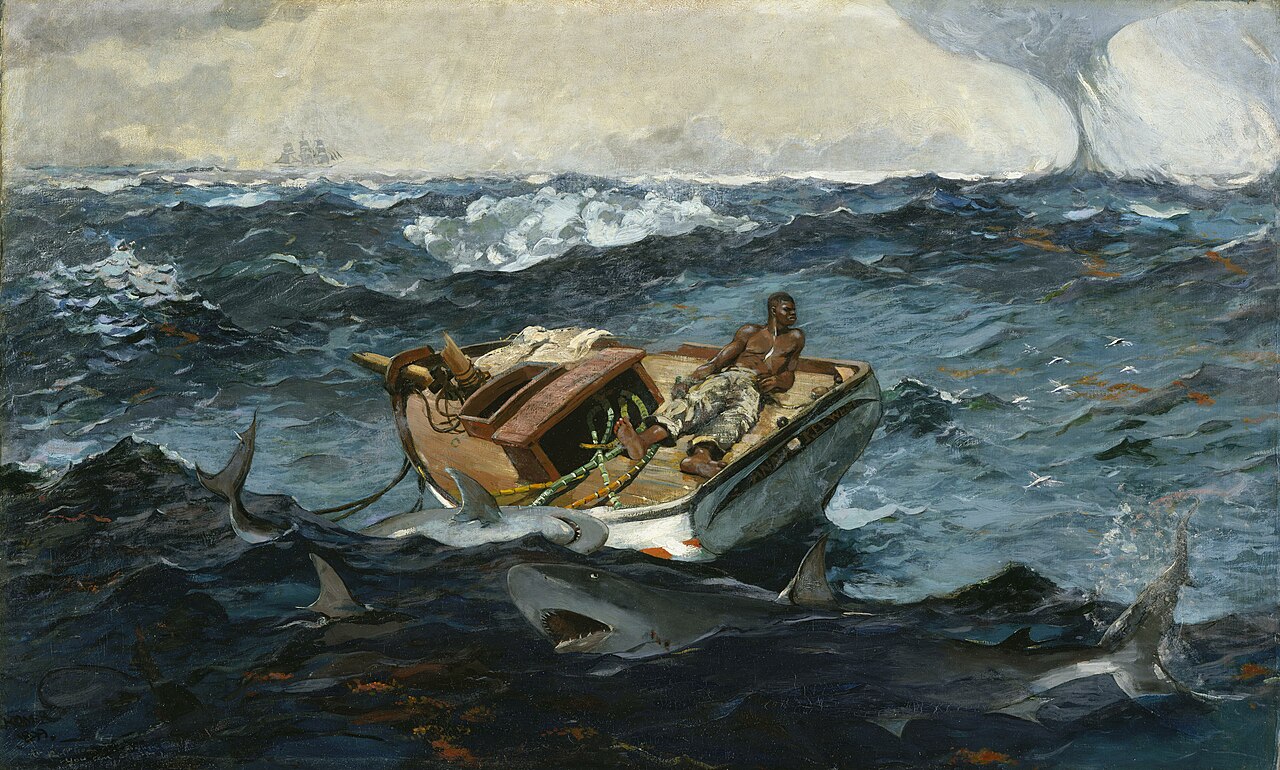
Dynamic marine scenes emphasizing movement and power.
3. Ad Parnassum Sketches by Paul Klee

Watercolour works combining symbolism and structure.
4. Alpine Studies by John Singer Sargent

Direct and confident studies of light and form.
5. Young Hare by Albrecht Dürer

A detailed and naturalistic watercolor study.
The Significance of Watercolour Paintings
Watercolour painting records observation, emotion, and momentary experience. Its transparency mirrors the passage of time and light, making it a medium closely tied to perception.
Across centuries and cultures, watercolor has documented landscapes, scientific discovery, personal travel, and inner reflection. It remains a vital form of artistic expression that continues to evolve while retaining its fundamental qualities.


